


 Aeronautics
What Comes After Today’s Generation of Cars – and What Already Exists?

The future of the automotive industry starts now
The automotive industry is undergoing one of the most profound transformations in its history. Electrification, automation, and connectivity are not only reshaping the vehicle itself, but the entire ecosystem surrounding production, usage, and business models.
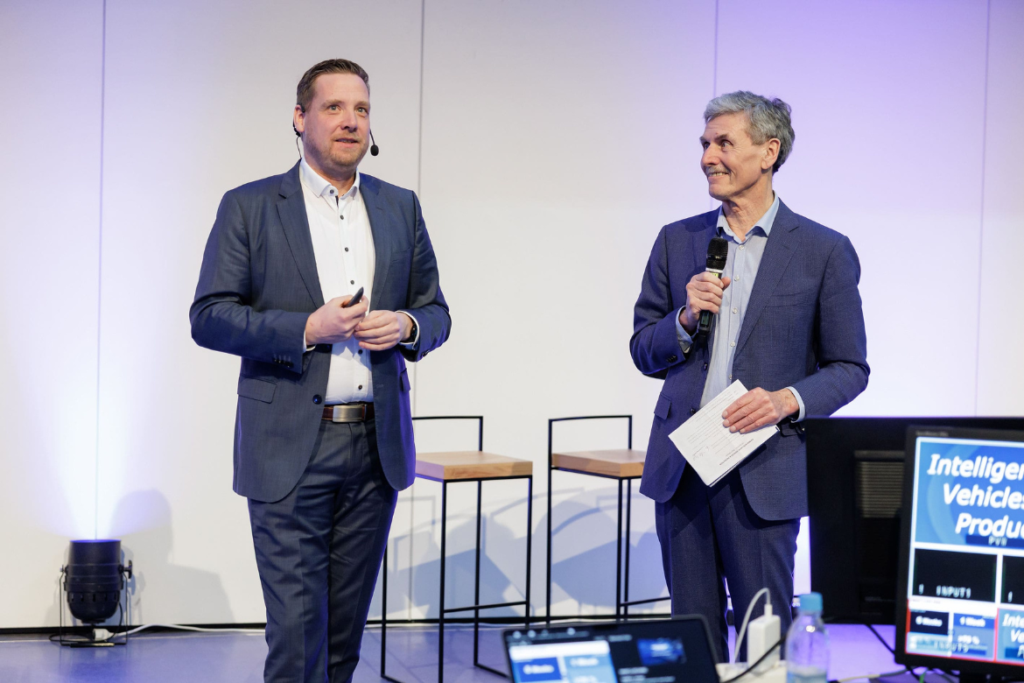
This was clearly demonstrated at the Intelligent Vehicles & Production Congress – a platform where experts, innovators, and thought leaders come together to discuss the future of mobility.
The key takeaway from the event is clear: the “car” as we know it is increasingly evolving into an intelligent, connected, and software-driven platform. Ahead of the congress, we spoke with our Managing Director Daniel Grieger to better understand the complex challenges currently shaping the industry – and how our solutions are designed to address them and create real added value for our clients.
The Vehicle Becomes a Software Platform
One of the defining themes of the congress was the growing importance of Artificial Intelligence (AI) in the automotive industry. AI is no longer an isolated feature – it permeates every aspect of the value chain, from development and production to the driving experience itself.
Modern vehicles are evolving into highly complex, software-defined systems. Features such as driver assistance, predictive maintenance, and personalized user experiences are increasingly based on data-driven models. As a result, value creation is shifting away from mechanical hardware toward software, data, and continuous updates.
This transformation presents new challenges for OEMs and suppliers, but also significant opportunities. Companies that build strong software capabilities today will secure their competitiveness tomorrow.
Autonomous Driving: Level 4 is Getting Closer
Another key trend is the rapid advancement of autonomous driving. In particular, Level 4 (highly automated driving) could soon become a reality in specific use cases such as urban environments or logistics.
Technological progress in sensor systems, AI, and data processing is enabling increasingly precise environmental perception and decision-making. At the same time, regulatory and societal integration remains one of the biggest challenges. Nevertheless, it is clear: autonomous driving will not only change how we move, but also redefine entire industries – from logistics and public transportation to urban infrastructure.
Smart Cockpits: The Vehicle as a Digital Living Space
One of the most visible transformations is taking place inside the vehicle. Smart cockpits are evolving into highly integrated digital interfaces that go far beyond traditional infotainment systems.
Displays are becoming larger, more flexible, and more intelligent. Voice and gesture control, along with personalized user profiles, create highly individualized user experiences. The vehicle is increasingly becoming a “third space” – a place between work, home, and being on the move.
Seamless service integration plays a crucial role: navigation, communication, entertainment, and even work applications are merging into one continuous digital experience.
Sustainability as a Driver of Innovation – with People at the Center
Alongside technological advancements, sustainability was another major focus. The transition to electric mobility is just one piece of the puzzle.
Sustainable production processes, resource-efficient materials, and circular economy concepts are becoming increasingly important. Companies are challenged to rethink their entire value chains.
At the same time, new business models are emerging to prioritize efficiency and resource conservation. The future of automotive production will be shaped not only by digitalization, but also by sustainability.
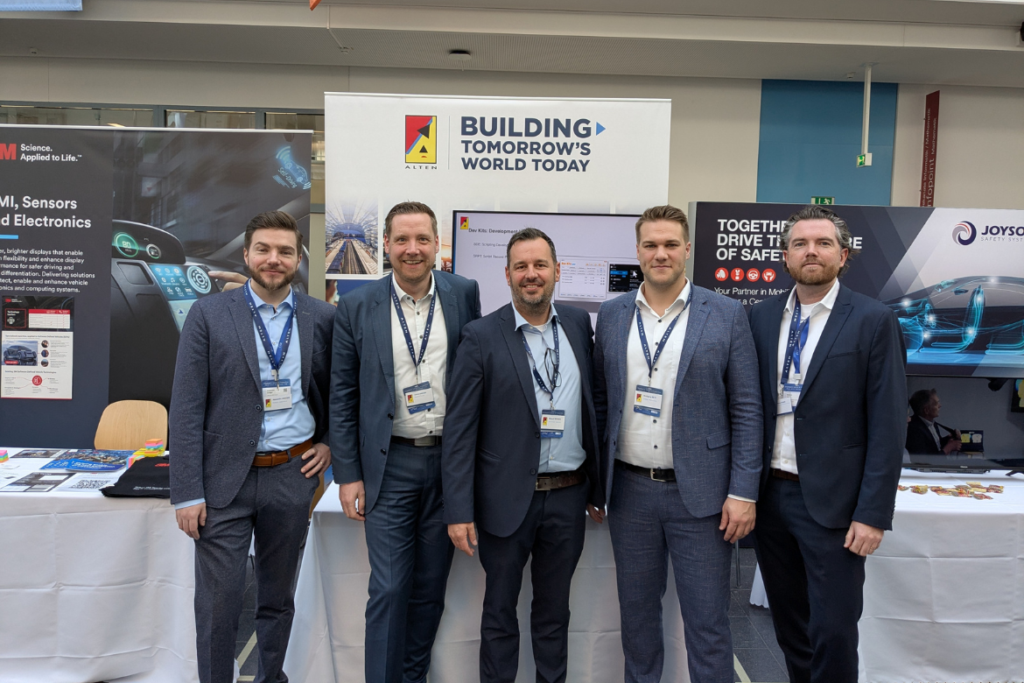
As technological as these developments are, people remain at the center. The exchange with experts at the Intelligent Vehicles & Production Congress highlighted how crucial collaboration and knowledge sharing are for the future of the industry. Discussions and insights, including contributions from experts such as Dr. Ferdinand Dudenhoeffer, a professor at the Technical University of Munich and managing director of the Center Automotive Research, make one thing clear: the transformation of mobility is a collective effort.
Conclusion: The Future is Connected, Intelligent, and Dynamic
The car of the future is far more than just a means of transportation. It is becoming a software platform, a digital living space, and an integral part of a connected ecosystem.
AI, autonomous systems, and smart interiors are only the beginning. The real transformation lies in combining these technologies and in the industry’s ability to integrate them holistically.
Now is the time to build on these insights and actively shape the future of mobility. Because one thing is certain: the coming years will be decisive in determining how we move and how we fundamentally rethink mobility.
Want to learn more about our automotive projects?